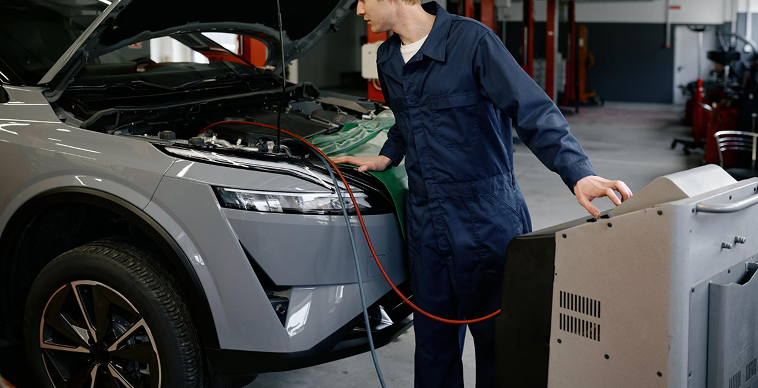
Australian roads are hard on transmissions. Stop-start traffic, summer heat, towing, and long drives all take a toll. Most drivers notice nothing until something breaks. That moment usually costs a lot.
- Delayed gear engagement wears clutch packs down over time.
- Burnt fluid can no longer cool or lubricate the system.
- Harsh shifting means faults are already forming inside.
- One small fluid leak can end in complete gearbox failure.
Victoria Differentials has 20+ years of experience as a trusted automatic transmission specialist in Melbourne. We find these problems before they get expensive. This blog covers the key warning signs, what causes them, and when to book an inspection.
Slipping gears, delayed shifting, burnt fluid, or active warning lights all signal transmission trouble. Such symptoms are internal wear, loss of hydraulic pressure or electronic faults. Victoria Differentials is the leading automatic transmission specialist in Melbourne that has been supporting Australian drivers in detecting problems early before gearbox damage becomes serious.
What Happens When Your Transmission Starts Slipping?
Gear slipping is one of the earliest signs of internal transmission wear. Drivers usually notice rising RPM without matching acceleration. This commonly happens during overtaking or motorway driving.
Inside the gearbox, worn clutch packs struggle to maintain friction, and hydraulic pressure drops. Heat builds rapidly, which spreads contaminated debris through the transmission system. Ignoring slipping gears can quickly turn a minor repair into a full transmission rebuild in Melbourne.
Protect Your Transmission Before Small Faults Become Major Repairs
Why Does Delayed Gear Engagement Matter?
If your vehicle hesitates when shifting from Park into Drive or Reverse, the transmission may already have pressure-related issues. Automatic transmissions depend on hydraulic fluid pressure for instant gear engagement.
Common causes include:
- Low transmission fluid.
- Internal seal leakage.
- Valve body wear.
- Torque converter issues.
This problem is especially common in vehicles exposed to towing, urban congestion, and extreme Australian temperatures.
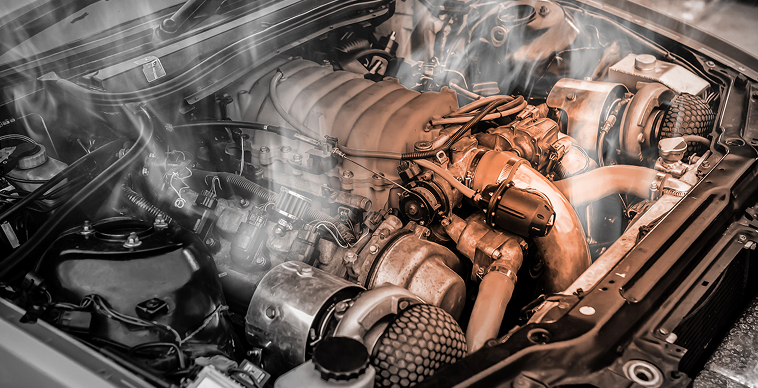
Can Burnt Transmission Fluid Damage the Gearbox?
Transmission fluid does much more than lubrication. It also cools components, transfers hydraulic pressure, and controls friction between clutch packs.
Healthy fluid appears red or pink. Burnt fluid usually turns dark brown and develops a sharp burnt smell. Once fluid overheats, clutch materials begin deteriorating rapidly. Many drivers seeking a transmission specialist in Melbourne only realise the severity after overheating has already caused internal damage.
Why Does an Automatic Transmission Shift Harshly?
Rough or jerky shifting usually points to hydraulic or electronic faults inside the transmission system. Modern automatic gearboxes rely on sensors, solenoids, and adaptive software programming to manage smooth shifting.
Harsh shifting may result from:
- Faulty shift solenoids.
- Valve body pressure imbalance.
- Transmission control module faults.
- Incorrect transmission fluid.
BMW automatic transmission repair often needs advanced diagnostic scanning to pinpoint these issues accurately.
What Do Transmission Warning Lights Actually Mean?
Modern vehicles continuously monitor transmission temperature, pressure, and gear ratios. When faults appear, the dashboard warning lights activate.
Drivers should never ignore the following:
- Check engine lights.
- Transmission warning symbols.
- Drivetrain malfunction alerts.
These warnings may indicate overheating, slipping gears, sensor failures, or internal pressure loss. Early diagnostics from a gearbox specialist in Melbourne can often prevent catastrophic gearbox failure.
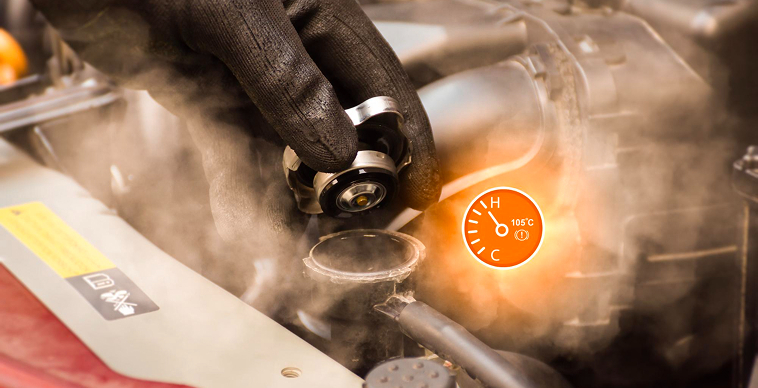
Why Are Transmission Fluid Leaks So Dangerous?
Automatic transmissions operate as sealed hydraulic systems. Even a small leak can reduce pressure and lubrication levels significantly.
Common leak points include:
- Transmission pan gaskets.
- Cooler lines.
- Output shaft seals.
- Torque converter seals.
Unlike engine oil leaks, low transmission fluid can destroy internal components within a very short time. Drivers who also maintain older manual vehicles often face similar risks requiring manual transmission repairs in Melbourne.
Get Accurate Answers Before Transmission Damage Gets Worse
Conclusion
Automatic transmission problems rarely improve on their own. Delayed engagement, slipping gears, warning lights, overheating, and fluid leaks all indicate underlying mechanical or hydraulic issues that need urgent attention. Early diagnosis helps reduce repair costs and prevents complete gearbox failure.
Victoria Differentials has built a strong reputation as an automatic transmission specialist in Melbourne for accurate diagnostics and long-term gearbox solutions.
Whether you need inspections, repairs, or advanced transmission servicing, our team can help identify the problem before it escalates further. Get in touch with us today for expert transmission support across Melbourne.
FAQs
How do I know if my automatic transmission needs repair?
Start with the basics. Does the car slip out of gear? Does it pause before engaging drive or reverse? Do shifts feel rough? Is there a burnt smell or a warning light showing? Any one of these means trouble is building. See an automatic transmission specialist in Melbourne before the repair bill gets bigger.
How often should automatic transmission fluid be changed?
The general guide is every 60,000 to 100,000 kilometres. Australian heat, towing, and heavy traffic wear fluid down faster than that. Do not wait for the scheduled interval if the fluid looks dark or smells burnt. Damaged fluid breaks down clutch packs and seals. Changing it early costs far less than fixing what follows.
Can I drive with a transmission fluid leak?
Do not risk it. A slow leak drops pressure fast. Internal parts wear without enough lubrication. Most drivers think a small drip is harmless. It is not. The gap between a minor leak and major damage is narrow. Get it looked at straight away. A seal repair costs a fraction of a full gearbox job.
Are transmission warning lights always serious?
They are never safe to ignore. Some flag sensor issues. Others point to overheating, pressure loss, or gear slippage. The light itself does not tell you how bad it is. Only diagnostics from a gearbox specialist can do that. Finding the cause early almost always costs less than waiting until the gearbox fails completely.