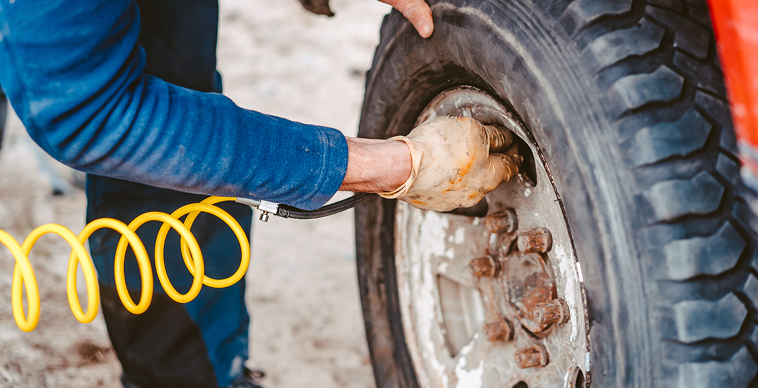
When your wheels lose traction off-road, the wrong differential setup can strand you in the middle of nowhere. Many Australian drivers pour money into tyres, suspension, and recovery gear without really understanding how their differential shapes performance on the ground.
Common challenges include:
- Losing traction when one wheel lifts off the ground
- Struggling through deep sand, mud, or rocky terrain
- Being unsure whether a locking differential or LSD is the better investment
- Choosing upgrades that don’t match how the vehicle is actually used
At Victoria Differentials, we have spent decades helping drivers get the most from their drivetrains. As a trusted diff specialist in Melbourne, we regularly advise vehicle owners on choosing the right differential setup for their driving conditions. This guide covers which of the given two options, locking differentials and limited-slip differentials, Australian drivers should consider.
Locking differentials and limited-slip differentials improve traction in different ways. A limited-slip differential transfers torque to the wheel with better grip while keeping road manners smooth. A locking differential mechanically locks both wheels together for maximum traction. A recognised diff specialist in Melbourne, such as Victoria Differentials, advises that the right choice depends on how often a vehicle encounters genuinely challenging off-road conditions.
What Is the Difference Between a Locking Differential and a Limited-Slip Differential?
The core difference comes down to how each system handles a wheel that stops gripping.
A limited-slip differential reduces the speed gap between the left and right wheels and pushes torque towards the wheel with better grip. It lifts traction without locking the axle solid.
A locking differential clamps both axle shafts together mechanically, spinning both wheels at the same speed no matter how little grip is available. On uneven ground where one wheel loses contact entirely, that difference becomes very significant very quickly.
Which Differential Performs Better in Australian Off-Road Conditions?
For serious off-road work, a locking differential pulls ahead. Steep climbs, deep ruts, rocky tracks, and heavy mud all cause wheel lift regularly. An LSD pushes torque across until it hits its limit, then stops. A locker keeps both wheels turning even when one is spinning in air. Drivers notice this most on:
- Victorian High Country tracks
- Cape York river crossings
- Rocky mountain trails
- Deep mud sections
- Technical rock-crawling terrain
Most guides skip past one practical benefit of lockers: they actually build driver confidence. With both wheels driven consistently, drivers apply less aggressive throttle on tough climbs, putting less stress on the whole drivetrain in the process.
Is a Limited-Slip Differential Better for Everyday Driving?
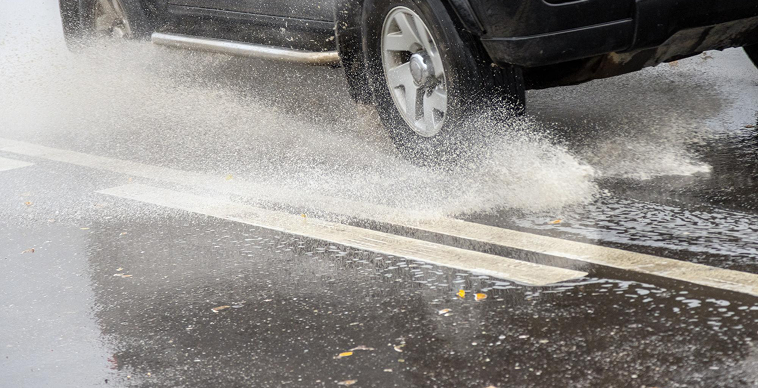
For most Australian drivers, an LSD differential in Melbourne hits the sweet spot between traction and everyday usability.
It kicks in automatically, needs no driver input, and keeps handling predictable on sealed roads. It works well across a broad range of real-world situations, including the following:
- Wet weather driving
- Gravel road travel
- Towing caravans
- Boat ramp launches
- Light off-road adventures
Drivers who commute, tour, or tow will get genuine traction gains from an LSD without added mechanical complexity. It transitions cleanly between city roads and open highways without the driver needing to think about it.
When Should You Choose a Locking Differential?
A locker makes the most sense for drivers who regularly push into genuinely low-traction territory.
It earns its place when a vehicle sees regular use in the following:
- Serious 4WD touring
- Remote outback travel
- Steep hill climbs
- Deep mud driving
- Rock crawling
- Recovery operations
Drivers looking at a 4WD differential in Melbourne often fit a rear locker first because it delivers the sharpest off-road improvement straight away. One mistake worth flagging here is assuming maximum traction always wins.
What Maintenance Does Each Differential Require?
Both types need scheduled servicing to stay in good working order. An LSD wears through normal use, and clutch packs will eventually need replacing as part of a rebuild. Locking differentials bring their own service items into the picture, covering the following:
- Air compressors
- Pneumatic lines
- Electrical actuators
- Locking mechanisms
Technicians carrying out differential repairs in Melbourne point to skipped oil changes as the leading cause of early failure. Staying on top of servicing is the most straightforward way to avoid heavy diff repairs in Melbourne and keep the differential running strong.
Can a Differential Upgrade Affect Other Drivetrain Components?
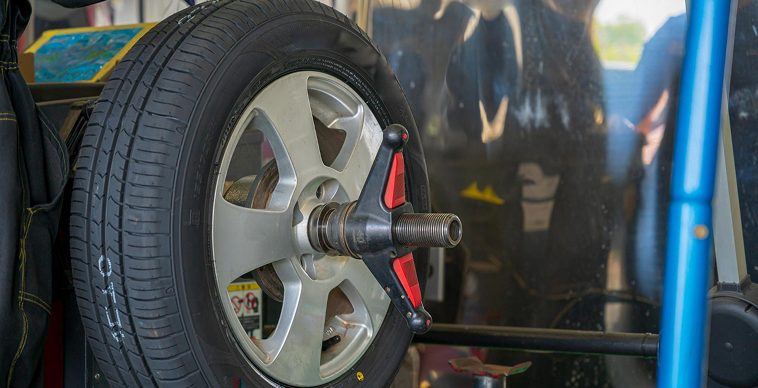
Smart planning here saves significant money and frustration down the track. Tyre size, vehicle weight, suspension setup, gear ratios, and how the vehicle gets used all affect how the differential actually performs. Fitting a locker to a loaded touring vehicle can improve traction, though it pays to check axle strength and gearing at the same time.
Many owners talk to both a differential specialist and an automatic transmission specialist in Melbourne before committing to broader drivetrain changes. A whole-system approach consistently produces better reliability than changing one component in isolation.
Conclusion
Your differential choice ultimately reflects how you actually use your vehicle day to day. Drivers who spend most of their time commuting, towing, or heading out occasionally will find an LSD covers the job well without added complication. Those who push regularly into rough, low-traction country will feel the difference a locker makes the moment conditions get serious.
Victoria Differentials has worked through enough drivetrain problems over the years to know that one setup rarely suits every driver. As a dedicated diff specialist in Melbourne, we look at your vehicle, your habits, and where you actually drive before recommending anything. Get in touch and we will point you in the right direction.
FAQs
Can I Replace My Existing LSD With a Locking Differential?
Yes. Many vehicles can be upgraded from an LSD to a locking differential if the components are available. A professional inspection will identify the best option for your axle and drivetrain configuration.
Does a Locking Differential Affect On-Road Handling?
When disengaged, the selectable lockers have little effect on normal road driving. However, using a locker on high-traction surfaces can impact handling characteristics and cause excessive stress on drivetrain components.
Are Electronic Traction Control Systems the Same as an LSD?
No. An electronic traction control applies braking to limit wheel spin, and an LSD mechanically shifts torque between wheels. Some modern vehicles use both systems for better overall traction performance.
How Often Should Differential Oil Be Changed?
Service intervals depend on how the vehicle is used and its off-road and towing requirements. Vehicles that are often used in mud, water crossings, or heavy towing applications often need more frequent differential oil changes than normal road vehicles.